
 By
Imagine an office manager in Manchester looking for cleaning after staff leave. A supplier’s service page promises “flexible hours”, yet its enquiry form lists only daytime slot s. Is evening work unavailable, or is the form out of step with the service?
Here, the uncertainty arises between pages. The service description suggests a possibility that the form appears to rule out, leaving the buyer to reconcile the two before making contact.
Separate the journey from its touchpoints
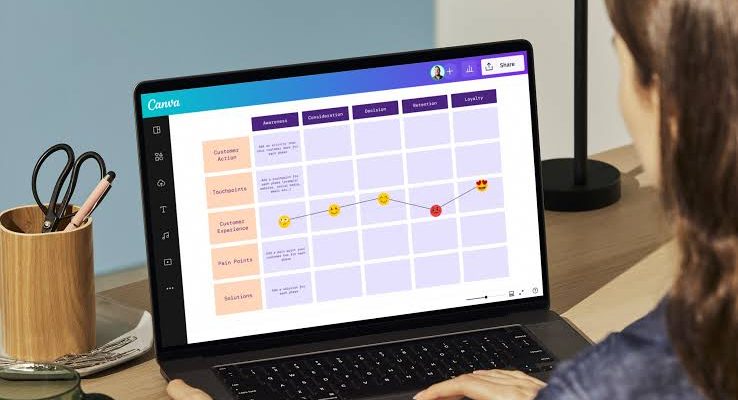
A customer journey follows someone towards a goal, such as establishing whether a supplier is suitable and making an enquiry. A touchpoint is a particular interaction within it. Comparing suppliers is a stage; reading a service page is a touchpoint; the website is the channel.
For a web design agency Manchester businesses appoint, the design task is to put each answer where buyers need it and carry the relevant context into the form. The service page can explain the offer fully; the form needs the details that govern the buyer’s choices.
Follow one buyer question from page to form
Start with a question supported by recent enquiry emails or customer conversations. Use analytics to locate exits and customer research to investigate the reasons behind them.
The cleaning enquiry turns on one question: can cleaning happen after closing time? Suppose the supplier’s approved service policy allows evening cleaning by arrangement, with each requested schedule requiring confirmation.
Examine what the buyer encounters:
- Service page: “Flexible hours” suggests choice but leaves evening availability unspecified.
- Supporting information: An FAQ explains evening availability correctly, but the service description provides no contextual link to it.
- Enquiry form: A field labelled “Preferred cleaning time” offers only daytime options, apparently contradicting the FAQ.
Record the wording and its location before proposing changes. Keep this account of the current experience separate from the improvements being planned.
Buyers also arrive by different routes. A colleague might forward a link directly to the form, bypassing the service-page explanation. Essential context needs to survive that shorter path.
Match the fix to the information problem
Where an answer is missing, establish the approved position and publish it clearly. Replace “flexible hours” with an explanation of evening availability and its conditions. Settle any undecided scheduling policy with the business first, so the website reflects an offer the supplier can support.
A hidden answer is a placement problem. Put the short qualification beside the relevant service description and link to fuller scheduling information. That gives someone comparing suppliers an immediate suitability answer, with detail available when needed.
Repeat a condition where it affects a decision. A brief reminder near the scheduling field can preserve the distinction between a preferred time and an agreed arrangement. Keep the full explanation in one maintained location rather than reproducing the entire FAQ across several pages.
Contradictions require changes to both wording and controls. Here, the form should accommodate evening requests and explain how availability is confirmed. Suggested instructions might read: “Tell us the evenings and times you prefer. We will confirm availability after reviewing your enquiry.”
Field labels deserve close attention too. “Preferred cleaning time” and “Best time to telephone you” ask different questions. Daytime-only callback options can coexist with evening cleaning, provided the label makes that distinction clear.
Explain the review process before submission and repeat it in the acknowledgement. Confirm receipt of the request, keeping appointment confirmation separate.
Check what the buyer understood
Give someone resembling the intended buyer a realistic requirement: establish whether this supplier could clean an office after closing and prepare an enquiry. Let them choose their route through the website.
Ask them to explain whether evening cleaning is possible, what information they need to provide and what remains unconfirmed. Note the wording they rely on, along with any hesitation or inference that goes beyond the published information.
Check understanding alongside form completion. A successful submission can still conceal a mistaken expectation about availability or booking status. Revise the wording or placement that caused confusion, then repeat the check with another prospective buyer.












Comments