
 By
By 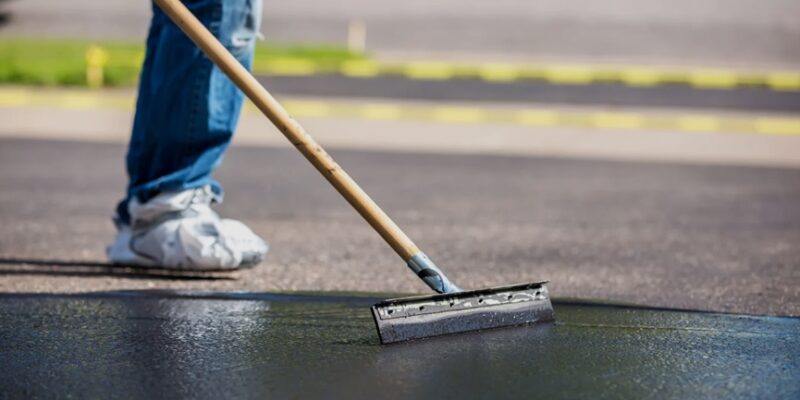
Asphalt surfaces are a significant investment, whether they’re part of a residential driveway or a commercial parking lot. However, without proper protection, even the best-laid asphalt can deteriorate rapidly due to sun exposure, water infiltration, and vehicle traffic. Applying an asphalt coating is a strategic way to preserve surface integrity and extend the life of your pavement. Seal coating is not just about maintaining a sleek appearance—it’s a critical protective layer that reinforces the asphalt against daily wear and environmental damage. Let’s examine why this process is essential for maximizing the return on your paving investment.
What Is Seal Coating and How Does It Work?
Seal coating involves applying a liquid layer over existing asphalt surfaces to create a protective barrier. This coating shields the underlying pavement from damaging elements such as UV rays, water, oil, and chemicals that penetrate the surface and weaken the structure over time. Once applied, the sealant hardens to form a durable shell, effectively sealing minor surface voids, restoring the rich black finish of the asphalt, and improving overall resilience.
Key Benefits of Asphalt Seal Coating
Although often overlooked in long-term maintenance plans, seal coating offers a series of tangible benefits that make it indispensable for anyone managing paved surfaces:
- Slows Oxidation: Ultraviolet rays from the sun cause asphalt to dry out and lose flexibility. Seal coating blocks UV penetration and retains the pavement’s binding oils, delaying cracks and brittleness.
- Repels Water and Fluids: Water is a major culprit behind potholes and sub-base erosion. A proper asphalt coating minimizes water absorption and prevents damage from oil leaks and automotive fluids.
- Improves Surface Appearance: A fresh seal coat revives dull, gray pavement with a deep black finish, contributing to a cleaner and more professional look for any property.
- Reduces Long-Term Costs: Routine seal coating is more cost-effective than full resurfacing or replacement. It extends the service life of asphalt and delays costly repairs.
- Enhances Traction and Safety: When paired with sand or grit, seal coating improves surface friction, which is particularly beneficial in high-traffic areas or driveways with slopes.
Ideal Timing and Frequency for Seal Coating
Applying a seal coat at the right time is essential. New asphalt should be allowed to cure for at least 90 days before seal coating. After the initial application, reapplication is typically recommended every 2 to 3 years, depending on the level of traffic and environmental exposure. Waiting too long can allow cracks to form and deepen, making the surface vulnerable to costly damage. Consistent upkeep with seal coating ensures that minor imperfections don’t evolve into structural liabilities.
Professional Application Matters
For optimal results, seal coating should always be handled by trained professionals who understand surface preparation, weather conditions, and proper material handling. From cleaning and filling cracks to ensuring even coverage and curing, the process requires precision and specialized equipment. Improper application, such as layering sealant on a dirty or wet surface, can lead to peeling, streaking, or ineffective protection. Professional execution ensures longevity and performance.
Conclusion
Maintaining asphalt surfaces goes beyond aesthetics—it’s about preserving the functionality, safety, and lifespan of a major property feature. By applying an asphalt coating as part of a consistent maintenance strategy, property owners can protect their investment and avoid premature surface failures. Seal coating isn’t optional; it’s a proactive measure that pays off through extended durability and minimized repair costs.











Comments